
How to Build a Better Oral Hygiene Routine

Your mouth is the gateway to your body, and taking care of it is one of the best things you can do for your health. Building a solid oral hygiene routine doesn't have to be complicated. With a few simple habits and the right tools, you can keep your teeth and gums feeling their best every day.
The Foundation: Brushing Properly
Most people brush their teeth, but not everyone does it effectively. The goal of brushing is to remove plaque—a sticky film of bacteria that builds up on teeth. If left behind, plaque can cause cavities and gum irritation.
The Right Technique
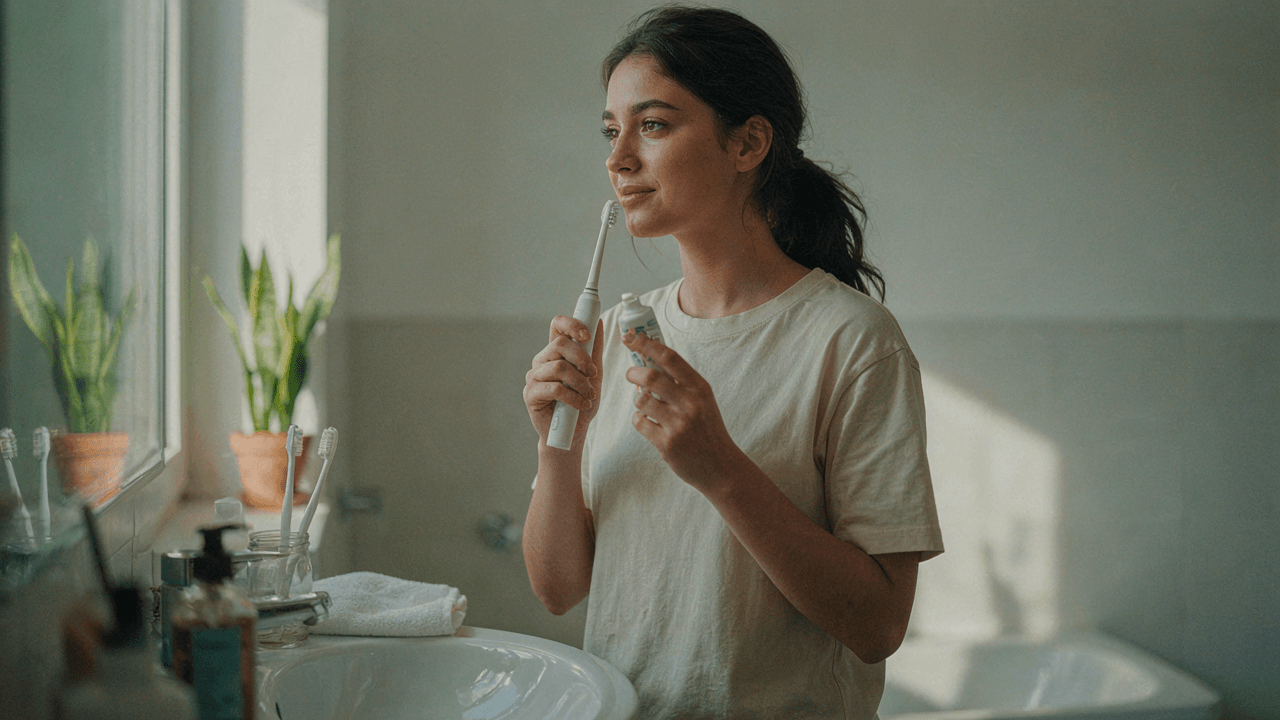
You should brush your teeth at least twice a day, especially before going to bed. Use a soft-bristled toothbrush, as hard bristles can damage your gums and tooth enamel.When you brush, place your toothbrush at a 45-degree angle toward your gums. Move the brush in gentle, circular motions rather than scrubbing back and forth. Make sure to clean the outer surfaces, the inner surfaces, and the chewing surfaces of every tooth. Don’t forget to brush your tongue as well; this helps remove bacteria and keeps your breath fresh.
Aim to brush for two full minutes. If you have trouble keeping track, try using a timer or listening to a song of that length.
Don't Skip the Floss
Many people skip flossing, but it is a necessary part of your daily routine. A toothbrush can clean the tops and sides of your teeth, but it cannot reach the tight spaces between them. Flossing removes food particles and plaque from these hidden spots where cavities often start.
Try to floss once a day. If you find traditional string floss difficult to use, look for alternatives like floss picks, interdental brushes, or water flossers. The best tool is the one that you are most likely to use consistently.
Choosing the Right Tools
You do not need the most expensive equipment to have a healthy mouth, but quality matters.
- Fluoride Toothpaste: Look for toothpaste that contains fluoride. Fluoride helps strengthen your tooth enamel and makes it more resistant to decay.
- Replace Your Brush: Change your toothbrush or brush head every three to four months. If the bristles start to look frayed or bent, replace it sooner. A worn-out brush is much less effective at cleaning your teeth.
Habits That Support Your Smile
Your oral health isn't just about what you do in the bathroom; it is also about your lifestyle choices.
Watch Your Sugar Intake
Bacteria in your mouth feed on sugar. When you eat sugary snacks or drink soda, these bacteria create acids that can weaken your teeth. Try to limit sugary treats and rinse your mouth with plain water after eating to help wash away leftover food particles.Stay Hydrated
Drinking plenty of water throughout the day is excellent for your mouth. It helps wash away food debris and keeps your saliva levels balanced, which helps protect your teeth.When to See a Professional
Even with a perfect home routine, you still need to visit a dental office regularly. A dental professional can spot problems that you might miss, such as early signs of gum disease or small cavities. They can also provide a deeper clean than you can achieve at home by removing hardened plaque, known as tartar, which cannot be brushed or flossed away.
Building a better routine is all about consistency. By sticking to these simple steps every day, you are setting yourself up for long-term comfort and a healthy smile.
More Articles

What Happens If You Stop Brushing Your Teeth?
Most people grow up hearing that they need to brush their teeth twice a day. It is a simple habit, but it plays a massive role in your…
Should You Brush Your Teeth Before Bed?
Many of us have nights where we are exhausted and just want to fall into bed. You might wonder if it is really that big of a deal to skip…