

How Often Should You Replace Your Toothbrush?

We use our toothbrushes every single day to keep our smiles clean and healthy. Because we reach for them so often, it is easy to forget that they do not last forever. Knowing when to swap out your old brush for a new one is an important part of taking care of your teeth.
The Three-Month Rule
The most important rule for toothbrush care is simple: you should replace your toothbrush every three to four months.Over time, the bristles on your brush begin to wear down and fray. When bristles are bent or smashed, they cannot clean the surfaces of your teeth as effectively. They lose their ability to reach into the small spaces between teeth and along the gumline where plaque likes to hide. If your brush looks like a worn-out broom, it is definitely time for a new one.
When to Replace It Sooner
While three months is a good general guideline, there are times when you should toss your brush even sooner.After You Have Been Sick
If you have had a cold, the flu, or a sore throat, it is a smart idea to get a fresh toothbrush once you start feeling better. Germs can live on the bristles and stay in the moist environment of your bathroom. Replacing your brush helps prevent you from potentially reintroducing those germs back into your mouth.If the Bristles Are Damaged
Some people brush with more pressure than others. If you notice your bristles looking flattened or frayed before the three-month mark, do not wait. Frayed bristles can also be rough on your gums, which can cause irritation. If you find yourself replacing your brush every month, it may be a sign that you are pushing too hard while you brush. Try using a lighter touch to help your next brush last longer.Tips for Keeping Your Toothbrush Clean
A toothbrush stays in your bathroom, which is a room that can get damp and steamy. How you store your brush matters just as much as when you replace it.- Rinse thoroughly: After every use, make sure to rinse your brush well with tap water to remove any leftover toothpaste or food particles.
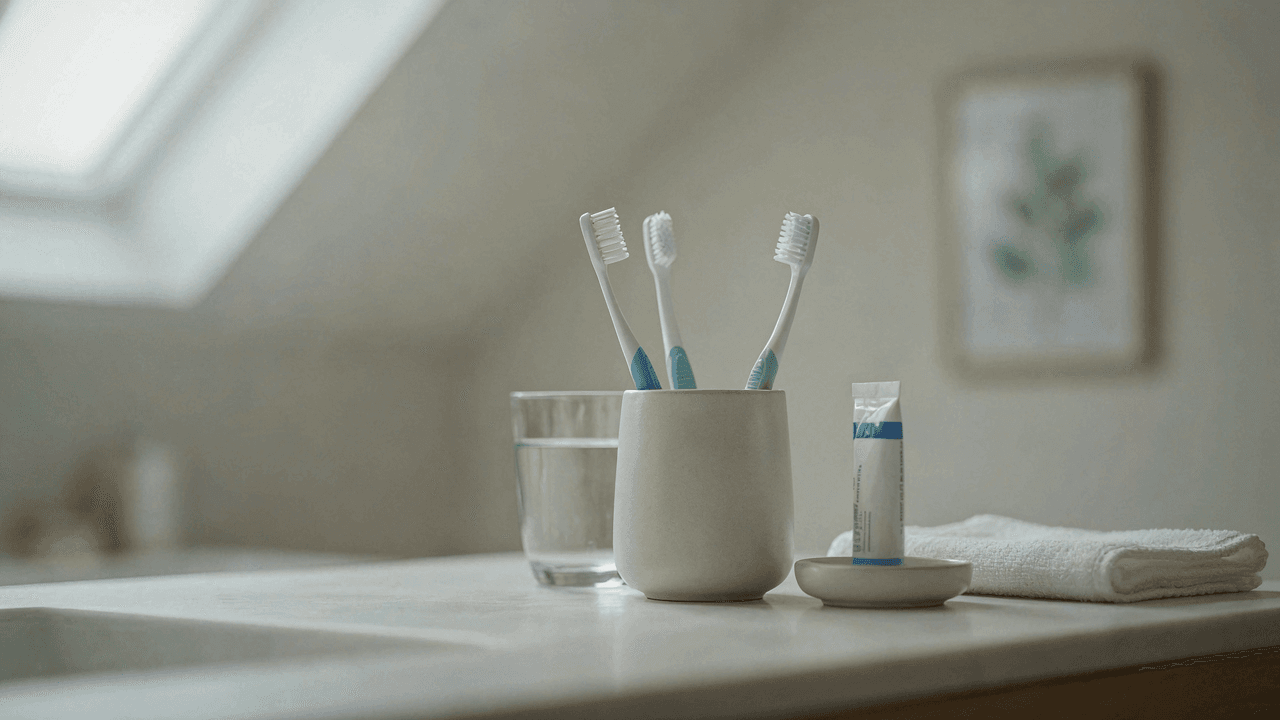
- Store it upright: Always store your toothbrush in an upright position. Keeping it in a holder allows it to air dry properly.
- Let it breathe: Avoid keeping your toothbrush in a closed container or a travel case for long periods. Bacteria grow faster in dark, wet, and closed spaces. If you are traveling, take it out of the case as soon as you arrive at your destination.
- Keep it separate: If you keep multiple toothbrushes in the same holder, try to arrange them so they do not touch each other. This prevents germs from moving from one brush to another.
How to Remember
It can be hard to keep track of exactly when you bought your last toothbrush. A good trick is to mark the date on your calendar or set a recurring alarm on your phone for every three months. You can also time your replacements to coincide with the changing of the seasons.Taking care of your toothbrush is a small step, but it makes a big difference in keeping your daily hygiene routine effective. By staying consistent and watching for signs of wear, you can ensure that your brush is always ready to do its job.
More Articles
How to Keep Your Toothbrush Clean
Your toothbrush is your first line of defense against cavities and gum disease. Because it spends so much time in your mouth, it picks up…
Manual vs. Electric Toothbrushes: Which Should You Choose?
When it comes to your daily oral care routine, the tool you use to brush your teeth matters. You have likely seen both manual and electric…