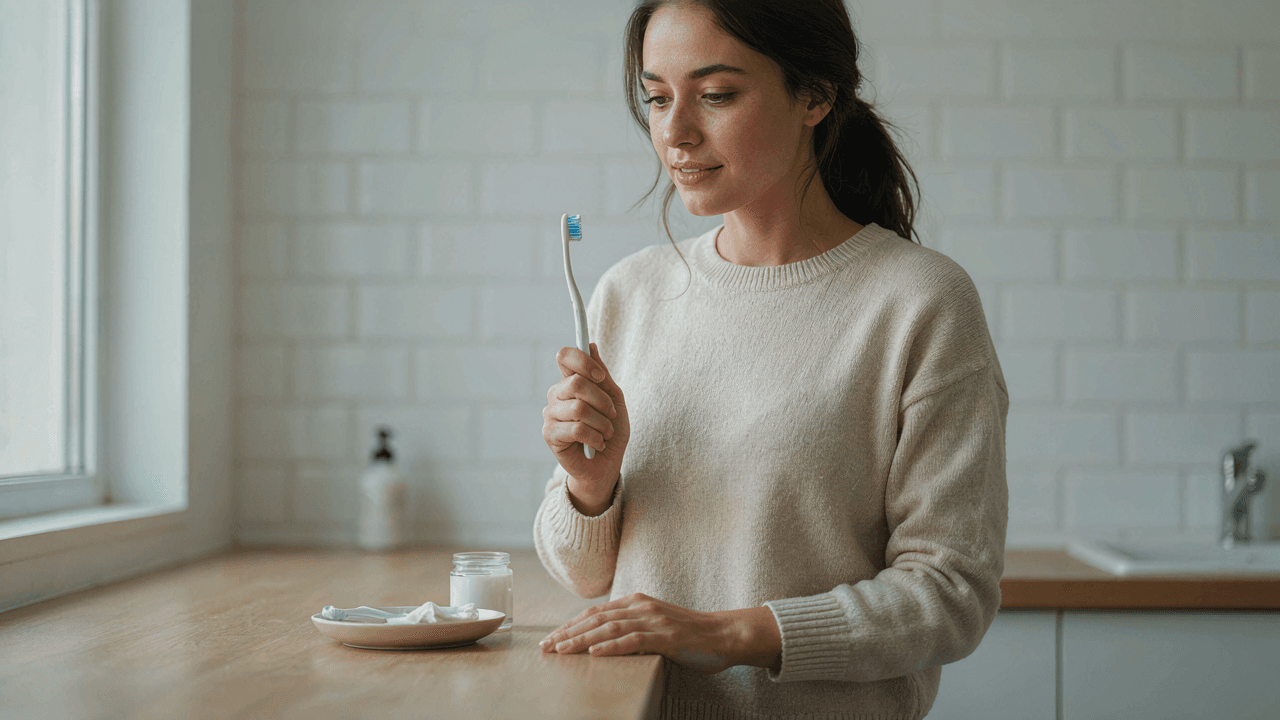

How to Keep Your Toothbrush Clean

Your toothbrush is your first line of defense against cavities and gum disease. Because it spends so much time in your mouth, it picks up food particles, plaque, and bacteria. If you don't keep your brush clean, you might just be moving germs back into your mouth the next time you brush. Keeping your toothbrush clean is simple, but it requires a few consistent habits.
The Basics of Cleaning Your Brush
The most important step in cleaning your toothbrush happens every single time you finish brushing. After you spit out the toothpaste, take a moment to rinse the bristles thoroughly with warm tap water. Make sure to remove any leftover toothpaste or bits of food stuck between the bristles.
Once it is rinsed, give the brush a few firm taps against the sink to shake off excess water. Bacteria thrive in damp, dark environments, so the faster your brush dries, the better.
Where and How to Store It
Where you keep your toothbrush is just as important as how you clean it. Many people make the mistake of closing their brush in a plastic case or putting a cover over the bristles. While this keeps the brush clean while traveling, it is not a good idea for everyday use. A closed cover traps moisture and creates a perfect breeding ground for germs.
Instead, store your toothbrush in an upright position in a cup or holder. This allows air to circulate around the bristles so they can dry completely between uses. If you have multiple brushes in one cup, try to keep them spaced out so the heads aren't touching each other.
Finally, keep your toothbrush away from the toilet. When you flush, tiny droplets of water can spray into the air. Keeping your brush as far away from the toilet as possible helps keep those droplets off your bristles. If your bathroom is small, consider storing your brush inside a drawer or a cabinet.
When to Get a New Toothbrush
Even with the best cleaning habits, your toothbrush won't last forever. The bristles eventually fray, wear down, and become less effective at scrubbing plaque off your teeth.
Most dentists suggest getting a new toothbrush every three to four months. However, you should replace it sooner if you notice the bristles looking flattened or "frizzled." If the bristles are pointing in different directions, they can’t clean your teeth properly.
You should also replace your toothbrush after you have been sick. If you had a cold, the flu, or a sore throat, there is a chance that germs are still living on the bristles. Getting a fresh brush after you recover is a simple way to help stay healthy.
Do You Need to Use Sanitizers?
You might see products in the store designed to sanitize toothbrushes, such as UV light gadgets or special chemical rinses. While these can be fun, they are generally not necessary for most people. Simple rinsing and proper air-drying are usually enough to keep your brush clean and safe for daily use. If you choose to use these products, always follow the manufacturer's instructions, but remember that a good, regular cleaning routine is more important than any gadget.
Keeping your toothbrush clean doesn't take much time, but it is a vital part of your daily routine. By rinsing it well, letting it air-dry, and replacing it regularly, you ensure that every brush is as fresh and effective as possible.
More Articles

How Often Should You Replace Your Toothbrush?
We use our toothbrushes every single day to keep our smiles clean and healthy. Because we reach for them so often, it is easy to forget…
Manual vs. Electric Toothbrushes: Which Should You Choose?
When it comes to your daily oral care routine, the tool you use to brush your teeth matters. You have likely seen both manual and electric…