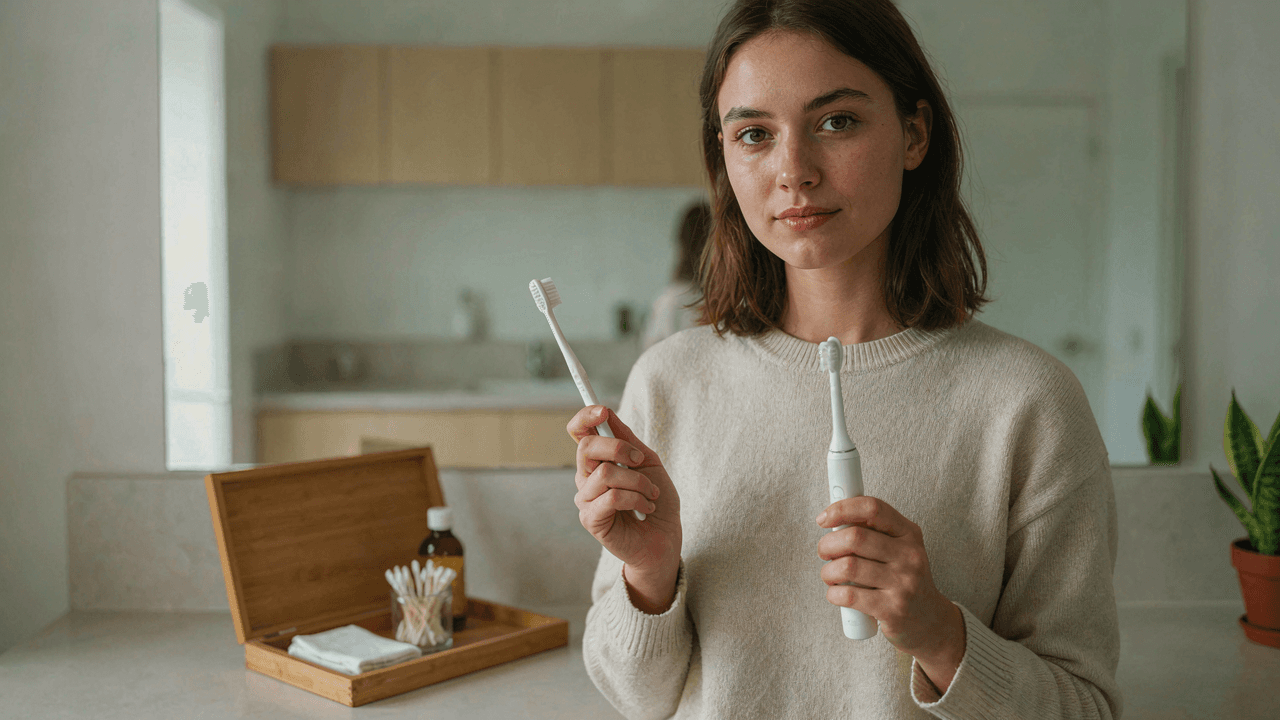

Why Brushing Your Teeth Twice a Day Matters

Most of us learn to brush our teeth when we are very young. It becomes a habit, like washing our hands or combing our hair. But have you ever wondered why dentists insist on brushing twice a day? It is not just to keep your breath smelling fresh. Brushing is the most important tool you have to keep your mouth healthy and clean.
The Problem With Plaque
To understand why brushing is important, you first need to know about plaque. Plaque is a sticky, invisible film of bacteria that forms on your teeth throughout the day. It starts to grow as soon as you eat or drink something containing sugar or starch.
If you do not remove this film, the bacteria inside it produce acids. These acids attack the hard outer layer of your teeth, known as the enamel. Over time, these attacks can create tiny holes in your teeth called cavities. Plaque can also irritate your gums, making them red, swollen, or likely to bleed. Brushing twice a day acts as a regular reset button, clearing away that buildup before it has the chance to cause trouble.
Why Twice a Day?
You might wonder why once a day is not enough. The answer lies in how bacteria behave.
The Morning Brush
When you wake up, your mouth often feels a bit fuzzy or tastes unpleasant. This is because bacteria multiply while you sleep. Saliva production slows down at night, and saliva is your mouth's natural way of washing away food particles. By brushing as soon as you wake up, you remove the bacteria that grew overnight and start your day with a clean slate.The Nighttime Brush
Brushing before bed is arguably the most critical habit you can have. If you go to sleep without brushing, the food particles and plaque from your meals sit on your teeth for several hours. Because your mouth produces less saliva while you sleep, those bacteria have a perfect environment to thrive. Brushing right before you go to bed removes the "fuel" the bacteria need to cause damage while you are resting.How to Brush Effectively
It is not just about how often you brush; it is about how you do it. Using the right technique makes a big difference in how much plaque you remove.
- Take Your Time: Aim for two minutes each time you brush. Most people stop way too early. Using a timer can help you reach the full two minutes.
- Use the Right Angle: Hold your toothbrush at a 45-degree angle toward your gums. Move the brush in gentle, circular motions rather than scrubbing back and forth like you are sanding wood. Scrubbing too hard can actually wear down your enamel and hurt your gums.
- Don't Forget the Back: It is easy to focus on the front teeth that show when you smile, but the molars in the back do the most work. Make sure to reach all the way to the back of your mouth.
- Clean Every Surface: Remember to brush the inside, outside, and the chewing surfaces of every tooth.
Simple Tips for Success
If you find it hard to stick to this routine, try these simple tips:
- Keep it consistent: Keep your toothbrush in the same spot every day so you don't forget it.
- Choose a flavor you like: Using a toothpaste that tastes good to you can make the habit more enjoyable.
- Replace your brush: Get a new toothbrush or a new brush head every three to four months. Worn-out bristles do not clean your teeth nearly as well as fresh ones.
Brushing twice a day is a small investment of time that pays off by keeping your mouth comfortable and clean. By making it a regular part of your morning and bedtime routine, you are taking the best possible step toward keeping your teeth healthy for years to come.
More Articles
How to Keep Your Toothbrush Clean
Your toothbrush is your first line of defense against cavities and gum disease. Because it spends so much time in your mouth, it picks up…

How Often Should You Replace Your Toothbrush?
We use our toothbrushes every single day to keep our smiles clean and healthy. Because we reach for them so often, it is easy to forget…